
Quick answer: For tax years beginning in 2026, the Section 179 maximum is $2,560,000, reduced when qualifying property placed in service exceeds $4,090,000. The separate cap for covered SUVs is $32,000. Eligibility and income limits still apply. Qualified property acquired and placed in service after January 19, 2025 generally receives 100% bonus depreciation unless an applicable election changes that result.
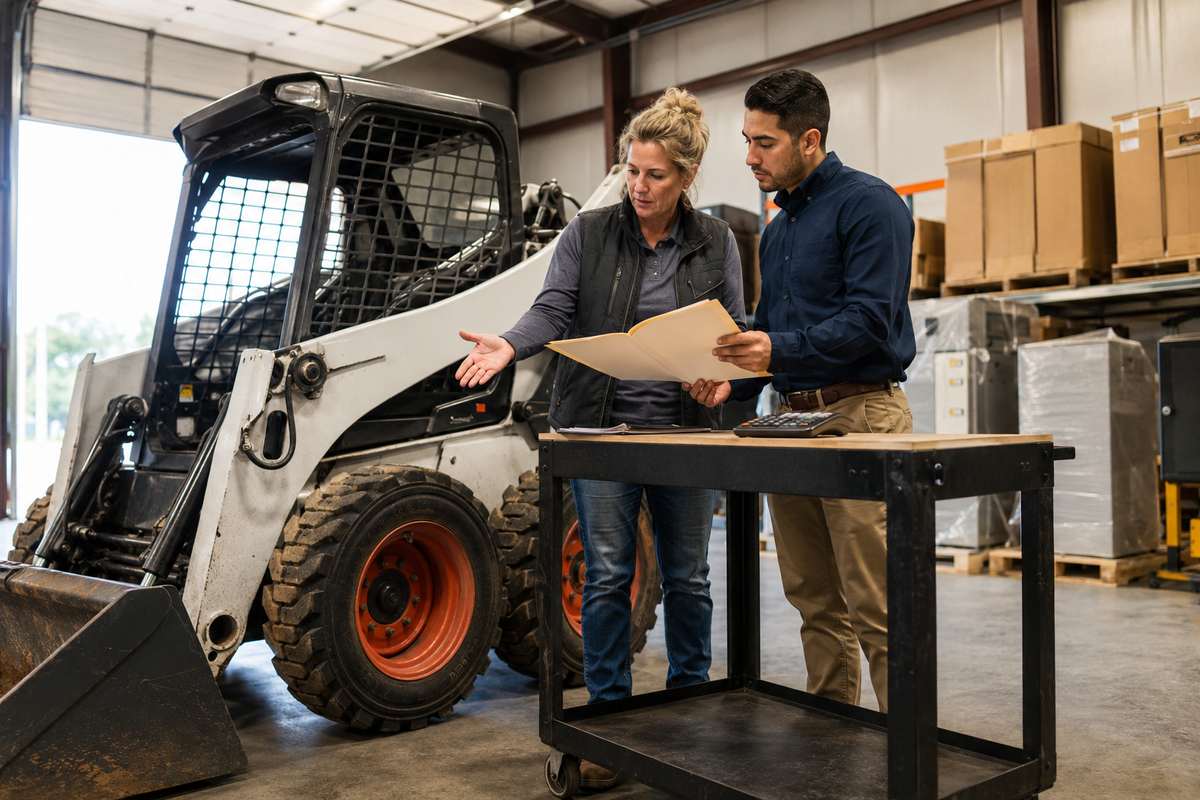
A contractor considering a truck and a dental practice considering a scanner face the same basic question: will the asset justify its cost? Model business use, ownership, financing and tax treatment together before committing.
How the deductions differ
| Feature | Section 179 | Bonus depreciation |
|---|---|---|
| Election | Choose qualifying property and the amount to expense. | Generally automatic for eligible property; an election out generally covers the entire property class placed in service that year. |
| Annual limit | 2026 dollar limit and investment phaseout apply. | No comparable Section 179 annual dollar ceiling, but property-specific limits can apply. |
| Income limit | Limited by taxable income from the active conduct of trades or businesses under the special calculation; disallowed amounts may carry forward. | No equivalent active-business-income cap; other loss limits can restrict use of the resulting deduction. |
| Order | Applied before bonus depreciation. | Applied to eligible remaining basis, before regular depreciation. |
IRS Publication 946 explains the elections, limits and depreciation order. A partnership or S corporation and its owners can face separate Section 179 limitations. Entity-level deduction calculations do not guarantee an owner can use the deduction immediately; basis, at-risk, passive-activity and other applicable limits also require review.
Check 2026 amounts and acquisition dates
The $2,560,000 Section 179 limit declines dollar for dollar above $4,090,000 of Section 179 property placed in service during a tax year beginning in 2026. It is fully phased out at $6,650,000. The $32,000 SUV cap is a Section 179 cap for covered vehicles, not a universal limit on every truck or on combined depreciation. Passenger-automobile limits and vehicle classifications require a separate analysis. See Revenue Procedure 2025-32.
For Section 168(k), qualified new and certain used property acquired and placed in service after January 19, 2025 generally receives 100% bonus depreciation. Earlier acquisitions, binding contracts, related-party purchases and excluded property can produce a different result. A reduced-percentage transition election applies to the first tax year ending after January 19, 2025; it is not a general annual choice to select any bonus percentage. See IRS Form 4562 instructions.
Correctly model a partial election
Assume a business acquires $150,000 of fully qualifying equipment in 2026, places it in service in November, uses it entirely for business, and has sufficient income and no other limits affecting the example.
- If it elects $60,000 under Section 179, eligible remaining basis is $90,000.
- If 100% bonus depreciation applies, the remaining $90,000 is also deducted that year. Total first-year depreciation is $150,000.
- To preserve some basis for regular depreciation, the business generally must make a valid bonus election out for the relevant class of property placed in service that year.
- Even with that election, regular current-year depreciation may apply to the $90,000. The full balance is not simply deferred until next year.
Check all assets in the affected class before electing out. The Publication 946 election rules address the scope and filing requirements. Compare current and future tax effects using the taxpayer’s actual income and constraints.
Separate tax deductions, book expense and cash
Tax depreciation can differ from depreciation in the financial statements. Maintain a reconciliation rather than assuming that book profit equals taxable income. For pass-through businesses, model both the entity calculation and each owner’s ability to use the allocated deduction.
A tax deduction is not a dollar-for-dollar reimbursement. In a simplified illustration, a usable $10,000 deduction at an assumed 24% marginal rate reduces tax by $2,400, leaving $7,600 of cost before financing, operating costs and other tax effects. A different rate, a suspended deduction or interactions with other provisions change the result.
A financed asset can qualify when the taxpayer is the tax owner and has eligible basis. The lender must still be repaid. Model the down payment, principal, interest, insurance, maintenance and tax-payment timing separately. Principal reduces a liability; it is not an additional depreciation deduction. A true lease requires its own treatment, and the contract’s label alone does not establish tax ownership.
Establish the placed-in-service date and business use
An asset is placed in service when ready and available for its intended use. An order, deposit or invoice alone is insufficient. Equipment requiring installation may belong to the following tax year even when paid for in December.
Section 179 property generally must be used more than 50% for business. Listed property, including many vehicles, must meet the qualified-business-use test to receive Section 179 or bonus treatment. Document mileage or other use rather than estimating at filing time. A later decline to 50% or less can trigger recapture and a change in depreciation. Sale or disposal can also produce ordinary-income recapture. The Form 4562 instructions explain listed-property reporting.
One pre-purchase and filing checklist
- Document the operating need and compare buying, financing and leasing.
- Identify the tax owner and entity classification.
- Retain the agreement, invoice, cost allocation and financing terms.
- Check acquisition eligibility and the actual placed-in-service date.
- Record business-use evidence and any vehicle-specific limits.
- Model Section 179, bonus and regular depreciation together, including entity and owner limits.
- Check state treatment separately from the federal calculation.
- Retain elections and depreciation schedules through disposal and the applicable record-retention period.
For a proposed purchase, ask CPA Firm South Florida’s tax advisory team for a defined review of the tax and cash-flow assumptions. Confirm scope and fees before engagement. Related reading: Buying Equipment Before Year-End.
Common questions
Does ordering equipment before year-end establish a deduction?
No. The property must be ready and available for its intended business use in the relevant tax year, and all other eligibility conditions must be met. Keep evidence of delivery, installation and availability.
Can a financed purchase qualify for accelerated depreciation?
Potentially. The taxpayer must be the tax owner, have depreciable basis and meet the applicable property, timing and use requirements. Financing does not remove the loan obligation or override deduction limits.
Does a partial Section 179 election preserve all the remaining cost for future years?
Not by itself. Eligible remaining basis generally receives bonus depreciation unless a valid election out applies. Regular depreciation can also apply to the remaining basis in the current year.
Why avoid buying equipment solely for a deduction?
A deduction reduces taxable income. Its tax value depends on usable deductions and applicable rates, while the business still bears the purchase price, financing and operating costs. Buy for a documented business need.